The Historical Archive celebrates the centenary of the Lyceum Club
The Archivo Histórico Provincial de Málaga is organising an exhibition, a film forum, two talks and a book club about the Lyceum Club Femenino in November and December.
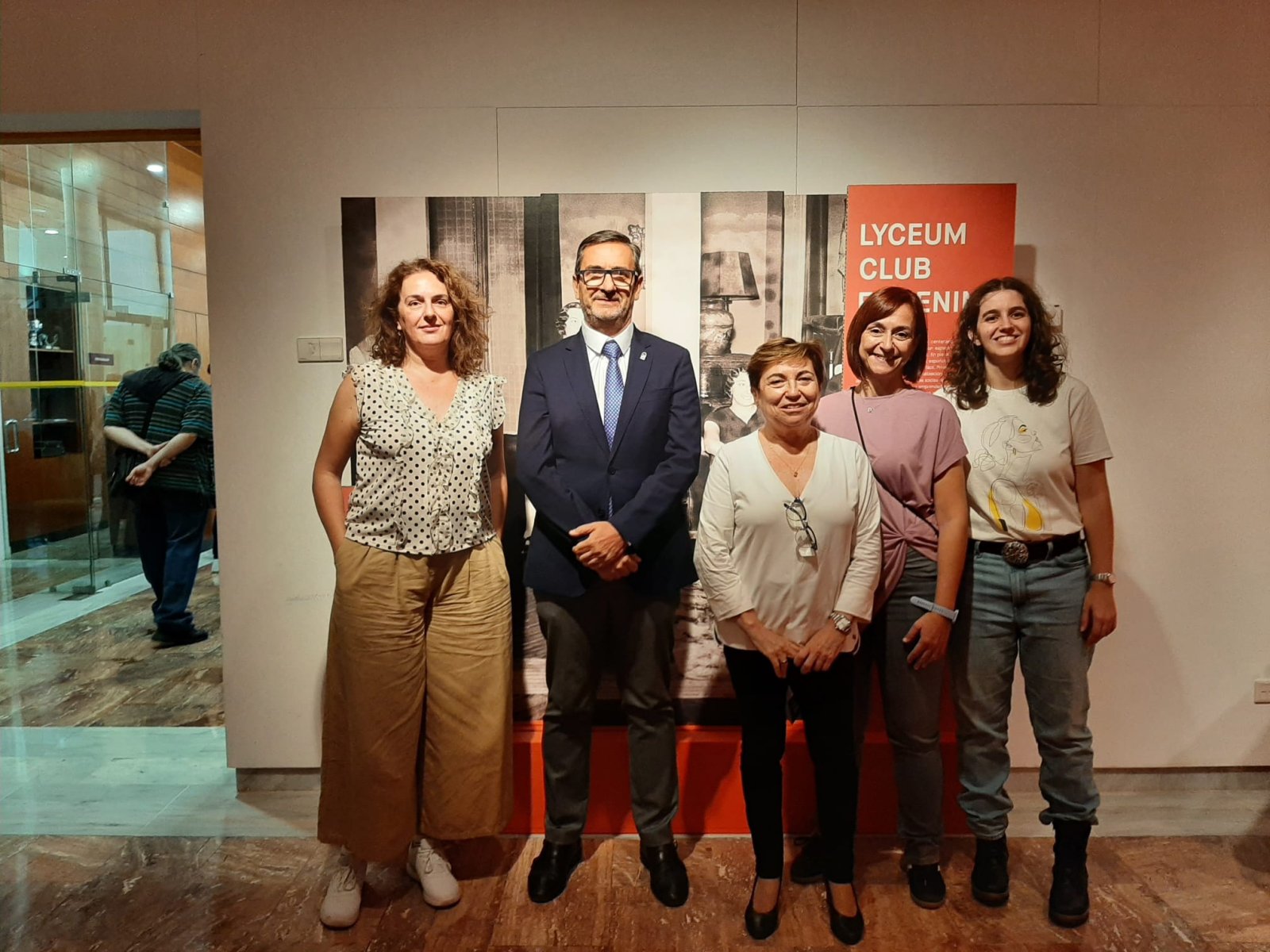
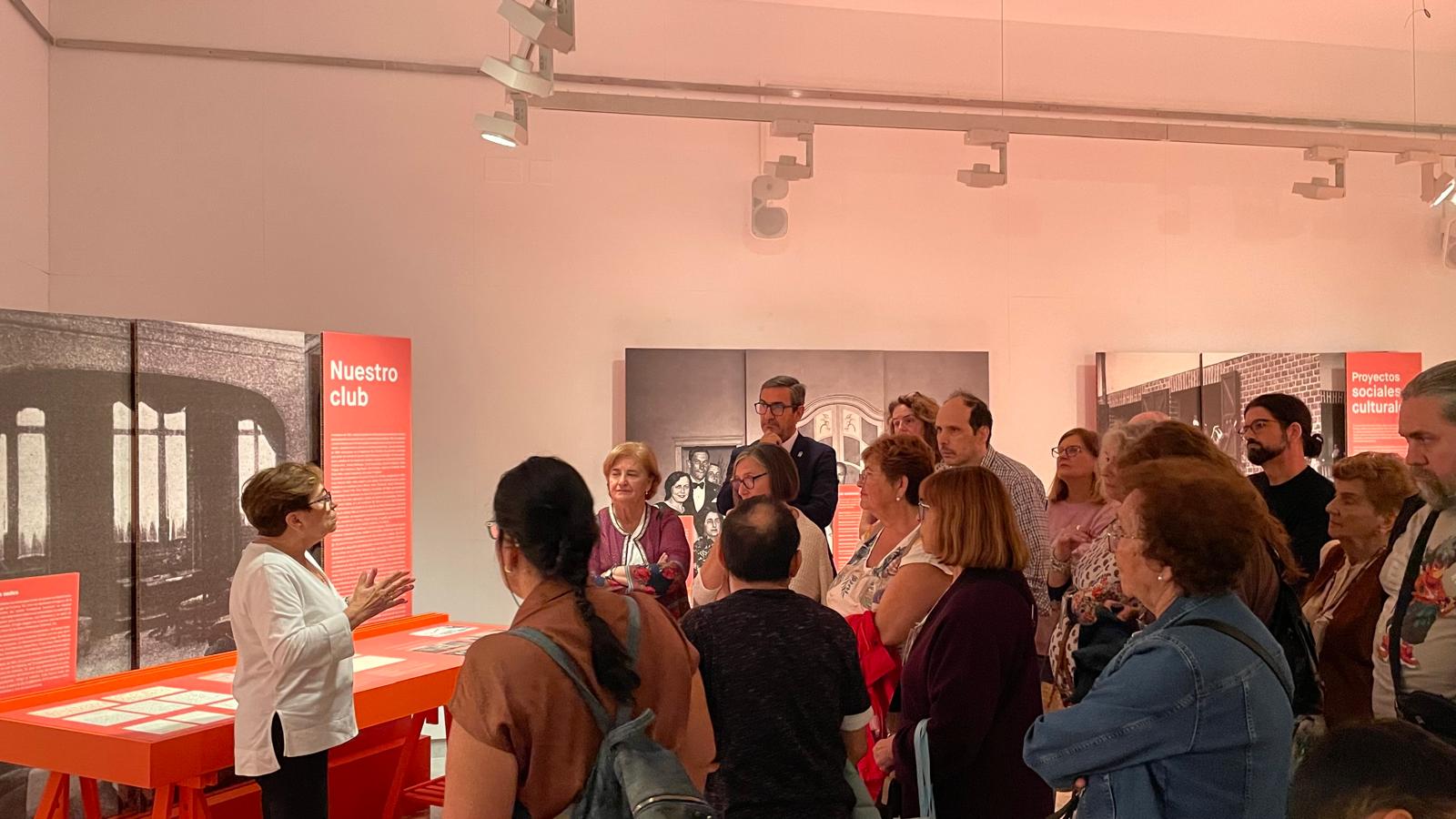
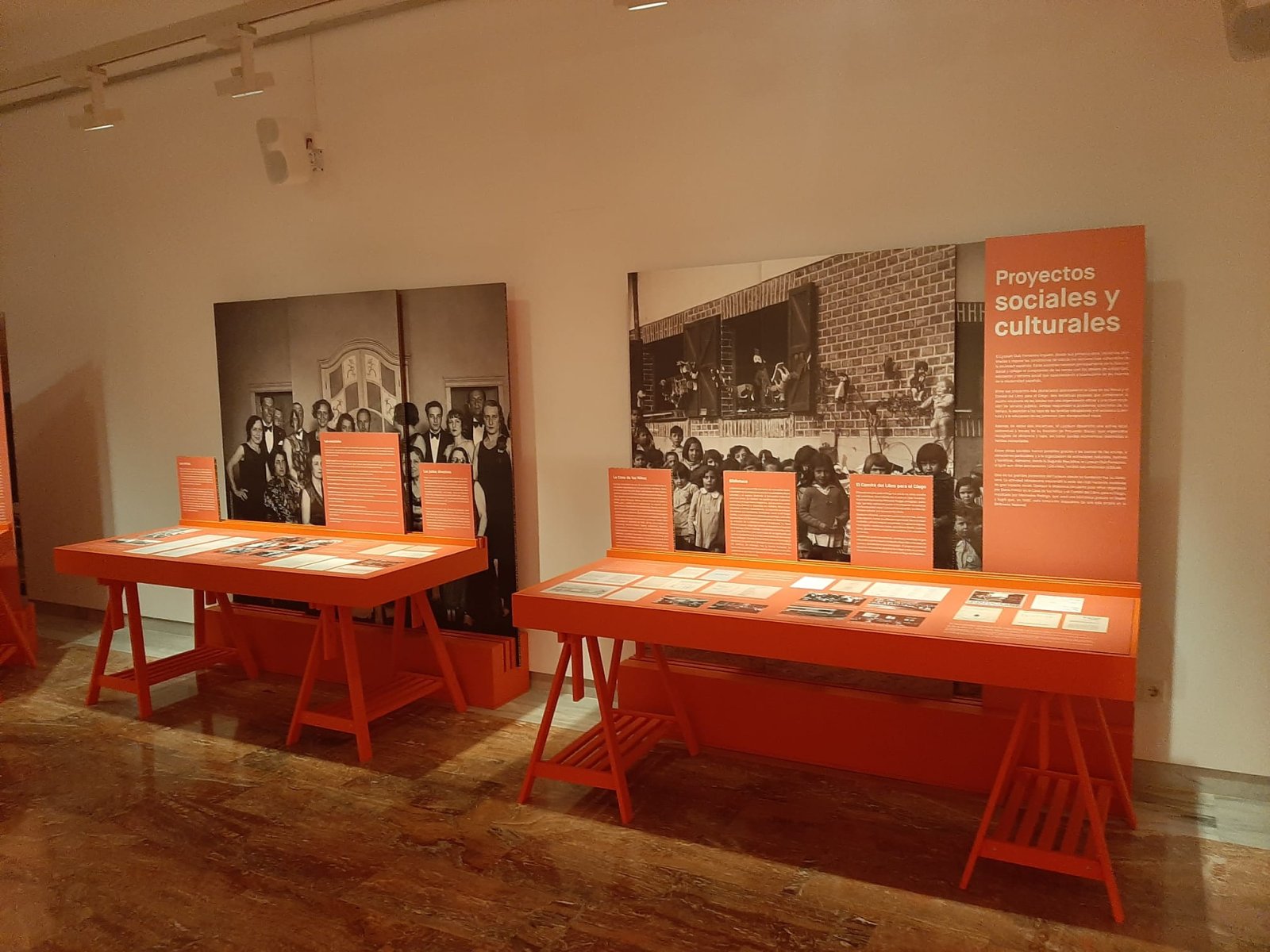
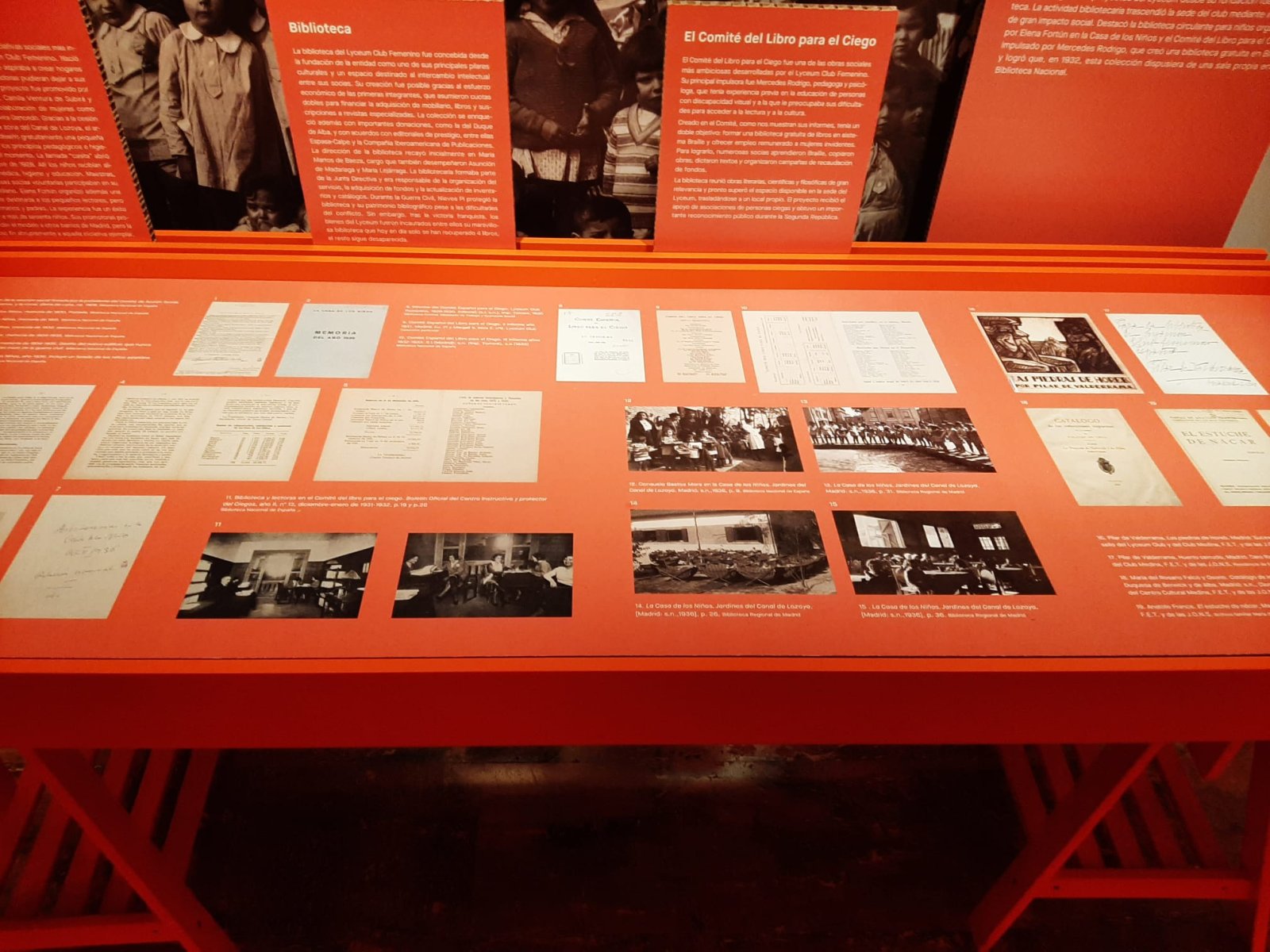
The first feminist association in the history of Spain turns one hundred years old and the Archivo Histórico Provincial de Málaga (AHPMa) commemorates it with a programme of activities spread between November and December. The exhibition, with panels, photographs and documents, can be visited from Wednesday, November 4 until the end of December at the centre's headquarters, at calle Martínez de la Rosa, 8, during opening hours. Admission is free until full capacity is reached.
The cycle begins this Monday, November 9 with the screening of «Las Sinsombrero 3. Las exiliadas» (2021), by Manuel Jiménez, Tania Balló and Serrana Torres, at the Cine Albéniz (calle Alcazabilla, 4) at 19.00 hours, with a subsequent discussion with the director. Two more events follow at the Archivo: on Tuesday, November 17, the cultural journalist Eva Cosculluela presents «El club de las modernas» (Seix Barral, 2026), and on Monday, November 23 Ana Santos talks about «Sembrar palabras» (Espasa, 2026). Both at 19.00 hours and with free admission.
The reading club closes the programme on Wednesday, December 9 at 18.00 hours with «Vanguardia es una mujer», by Clara de Frutos, with nine places for members of the club.
Almost five hundred pioneering members
The Lyceum Club Femenino was founded in 1926, during the dictatorship of Primo de Rivera, driven by the pedagogue María de Maeztu and following the model of the clubs that had emerged in London. It brought together almost five hundred women of different ideologies, among them Victoria Kent, Clara Campoamor, Zenobia Camprubí, María Lejárraga, Isabel Oyarzábal, Rosa Chacel, Ernestina de Champourcín, Elena Fortún, Concha Méndez and Victorina Durán. The Civil War and the dictatorship closed the club and led many of its members into exile, censorship or silence.
The delegate of Culture, Historical Heritage and Sport, Carlos García, has stated that the programme allows the contribution of these women to the modernisation of Spain to be recovered and vindicated. The Archivo is directed by María Esther Acuña. The exhibition has been organised by the Ministerio de Cultura and the Fundación Ortega-Marañón in collaboration with the Consejería de Cultura, Patrimonio Histórico y Deporte, as detailed by the Delegación del Gobierno en Málaga.
Share this story
Breaking news from News, on your phone
An alert only when something can't wait. Free, no account needed.
On iPhone, alerts only arrive if you first add InforMálaga to your Home Screen.
How to do it, step by step
This browser can't receive alerts. Try another one, such as Chrome or Safari.
You've blocked alerts from InforMálaga in this browser. You can turn them back on in its settings.
How to do it, step by step