The beaches of Torremolinos close the summer with 725 incidents and 87 rescues
The lifeguard and rescue service of Torremolinos has handled 725 incidents between June 1 and September 30, with 87 water rescues and 422 assists at the adapted bathing points, according to the City Council.
FJCG
·
Photo: Ayuntamiento de Torremolinos
The lifeguarding, rescue and healthcare service on the beaches of Torremolinos has closed the summer season with 725 incidents recorded along the municipality's seven kilometres of coastline, as detailed by the Ayuntamiento.
Wounds and minor injuries were the most frequent reason, with 392 interventions. They are followed by jellyfish stings, with 93, and weever fish stings, with 58. The latter have been concentrated on the municipality's four beaches: Los Álamos, Playamar, Bajondillo and La Carihuela.
87 rescues and 95 ambulance call-outs
During the bathing season, 87 rescues have been carried out in the water, all with a satisfactory outcome, and the ambulance service has made 95 interventions, including several transfers to healthcare centres for medical assessment.
One of the most significant interventions was the assistance given to a bather who suffered a cardiorespiratory arrest on May 16 at Playamar. The rescue professionals began cardiopulmonary resuscitation manoeuvres and used an automated external defibrillator (AED), which allowed the patient to be revived.
Adapted bathing
The four accessible adapted bathing points along the coastline have received 422 assists. These areas have walkways, access ramps, shaded areas, adapted toilets, amphibious chairs, a hydraulic crane and adapted crutches to facilitate safe access to the water.
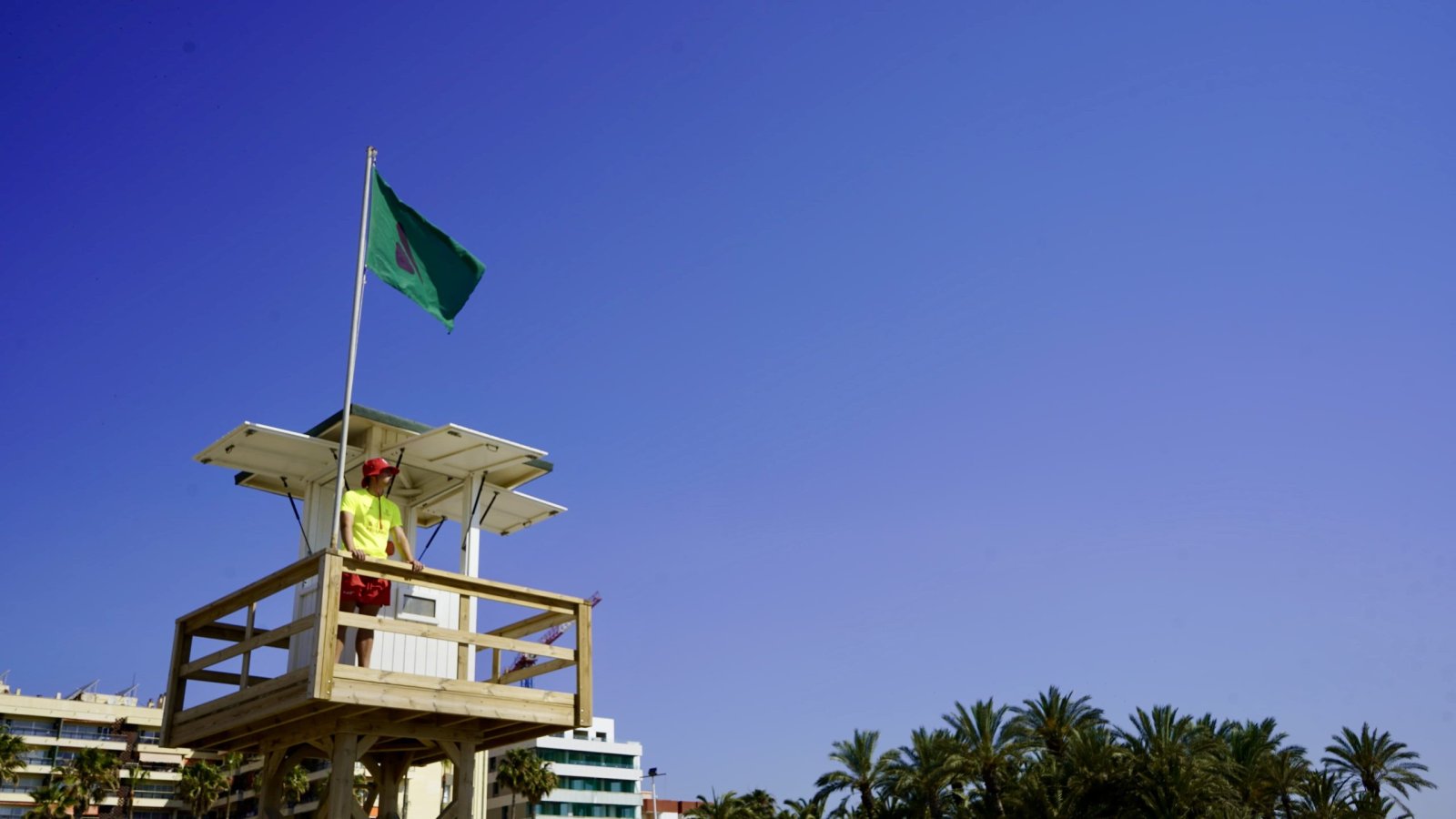
The operation has been active every day from June 1 to September 30, from 11:00 to 20:00 hours, with nearly 50 professionals. It has had 11 lifeguard towers, three jet skis, a mobile ICU ambulance, two nursing posts, five defibrillators and vehicles with medical supplies. As a new feature, a rapid intervention vehicle with an AED has been added.
The Safe Beach technological systems have also been added, which allows information on the state of the sea, tides and currents to be consulted via QR codes, and Orion, for locating staff and managing communications. The beaches have had real-time video surveillance and the number of personnel has been reinforced on Levante days.
How to request assisted bathing
The assisted bathing service, mobility devices and bookings are managed via WhatsApp. The sea-state flags include adapted identification for people with colour blindness.
Share this story
Breaking news from News, on your phone
An alert only when something can't wait. Free, no account needed.
On iPhone, alerts only arrive if you first add InforMálaga to your Home Screen.
How to do it, step by step
This browser can't receive alerts. Try another one, such as Chrome or Safari.
You've blocked alerts from InforMálaga in this browser. You can turn them back on in its settings.
How to do it, step by step