Málaga presents its report on the progress of the Sustainable Development Goals
The City Council and the CIEDES Foundation update the city's SDG indicator system and detect a shift toward urban sustainability, gender equality and climate action as priorities.
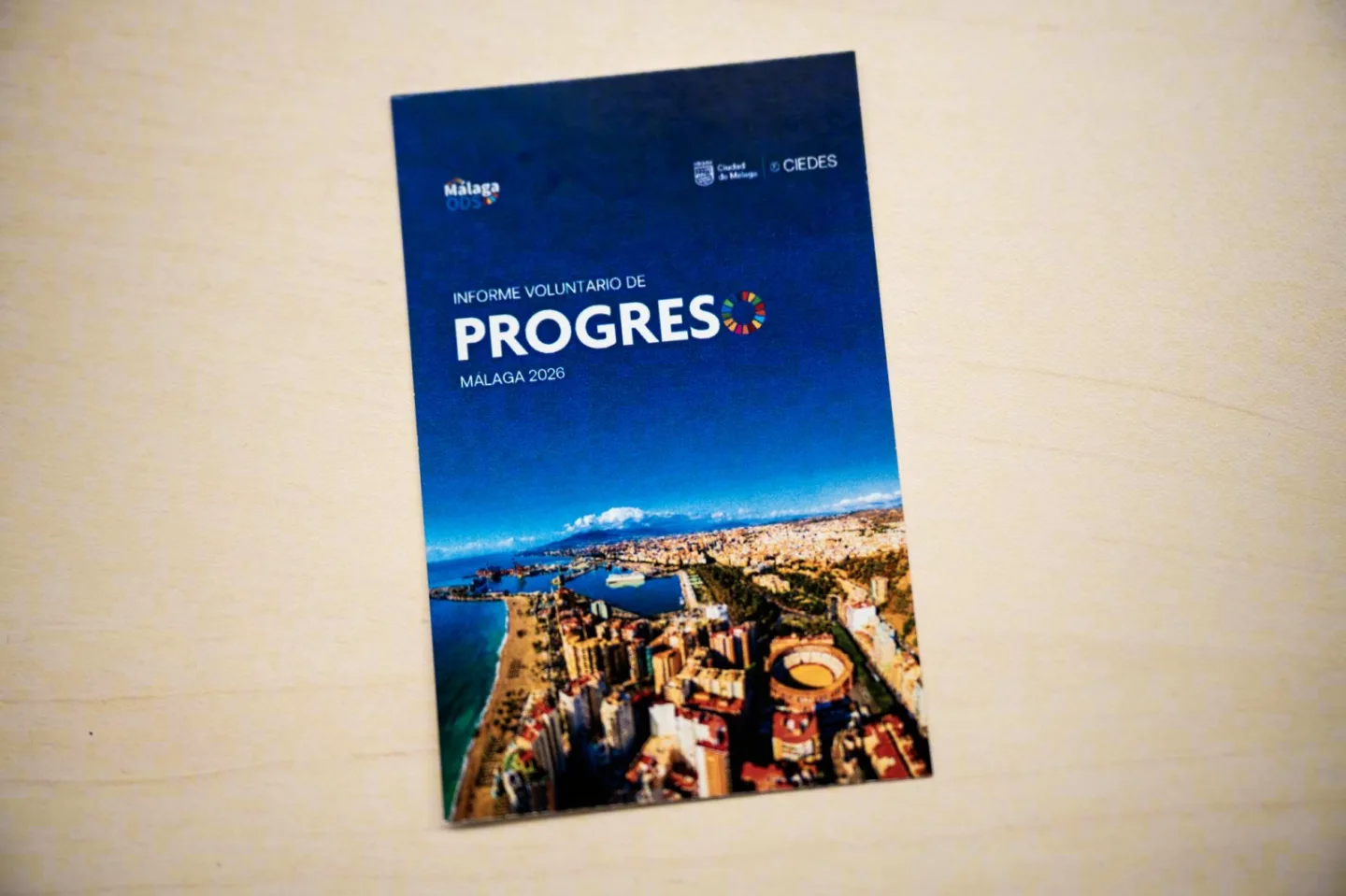
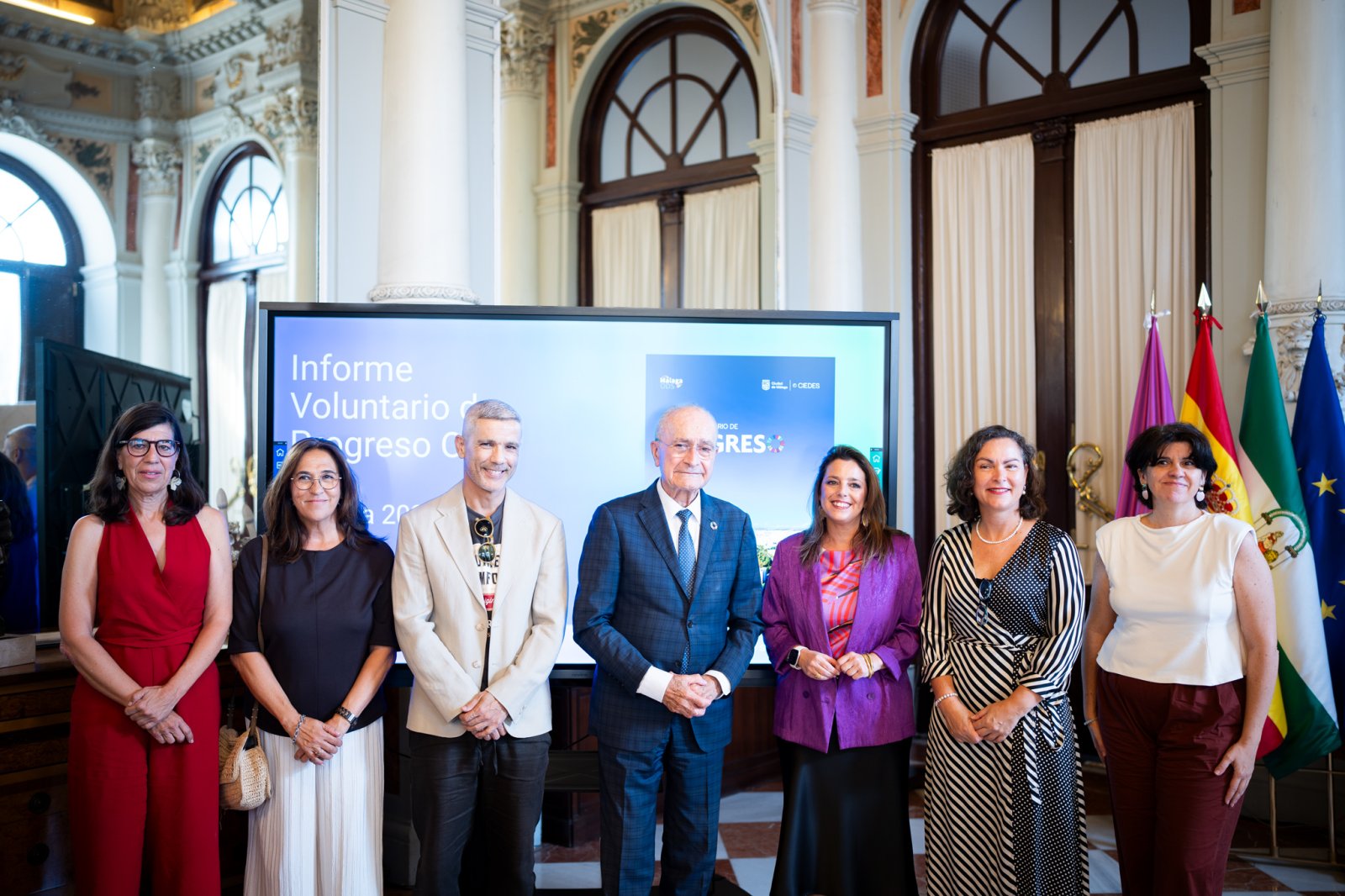
The CIEDES Foundation and the Málaga City Council, through the Area of Citizen Participation, External Action, Migration, Development Cooperation, Transparency and Good Governance, have presented the Voluntary Progress Report (VPR) on the Sustainable Development Goals (SDGs) Málaga 2026. The document analyses how the 2030 Agenda has been incorporated into the city and updates the indicator system used to measure its evolution with respect to the 17 goals and their 169 targets.
Change of priorities since 2018
According to the report, the surveys carried out since 2018 among municipal areas, institutions, young people and technical staff show a change of priorities. Whereas in 2018 partnerships and education stood out, in 2026 municipal areas place the goal of sustainable cities and communities first, present in 78 % of responses, followed by gender equality and decent work and economic growth, both with 67 %, and climate action, with 56 %.
The report explains that this evolution represents the shift from a stage focused on disseminating the SDGs and creating partnerships towards a phase of greater integration into public management, with urban sustainability linked to housing, mobility, urban regeneration and territorial cohesion.
Among the institutions consulted, 71.5 % stated in 2025 that between 75 % and 100 % of their actions were linked to some SDG, and in 2026 all of those surveyed consider that at least half of their actions are related to these goals. Among young people, at a global level action against climate change is the most frequently mentioned priority, while at the local level gender equality gains weight.
More than 2,000 awareness-raising actions
The report counts more than 2,000 actions of outreach, training and awareness-raising promoted by the CIEDES Foundation, CIFAL Málaga and the City Council since the start of the process, including university courses, workshops and activities aimed at social groups, NGOs and municipal staff. According to the report, the methodology developed by the University of Málaga and CIEDES to link municipal budgets with the SDGs is also used by the Diputación de Málaga and 23 municipalities in the province.
Examples of actions and data from the indicator system
Among the actions listed is the EMASA Social Fund, endowed with 510,000 euros to help families with financial difficulties pay for water. The Málaga Cardioprotegida project is also mentioned, which has installed more than 600 geolocatable defibrillators in the city and offers free cardiopulmonary resuscitation training, as well as the replacement of 72,000 public lighting points with LED technology.
The ODS Málaga 2030 indicator system, created in 2018, measures the city through 229 variables and a global index that places Málaga in an intermediate position, with a value of 0.54. According to the report, average annual household income reaches 36,640 euros, compared with 26,673 in 2017, and unemployment among people aged 45 to 64 falls to 14.72 %, compared with 18.78 % initially. Life expectancy at birth stands at 82.13 years, although the ageing index rises to 136.34 %.
This year's edition also includes a monograph on the evolution of the SDGs in Málaga between 2016 and 2026, which describes a process of growing institutionalisation, with the progressive incorporation of planning, budget, indicators, participation and accountability.
Share this story
Breaking news from News, on your phone
An alert only when something can't wait. Free, no account needed.
On iPhone, alerts only arrive if you first add InforMálaga to your Home Screen.
How to do it, step by step
This browser can't receive alerts. Try another one, such as Chrome or Safari.
You've blocked alerts from InforMálaga in this browser. You can turn them back on in its settings.
How to do it, step by step