Working, collecting a pension or having spent decades on the street are not enough to access a roof in Málaga. That is the reality that
Cáritas wants to make visible in its homelessness campaign this year, focused on ties, community and the sense of belonging, as the Diócesis de Málaga explains.
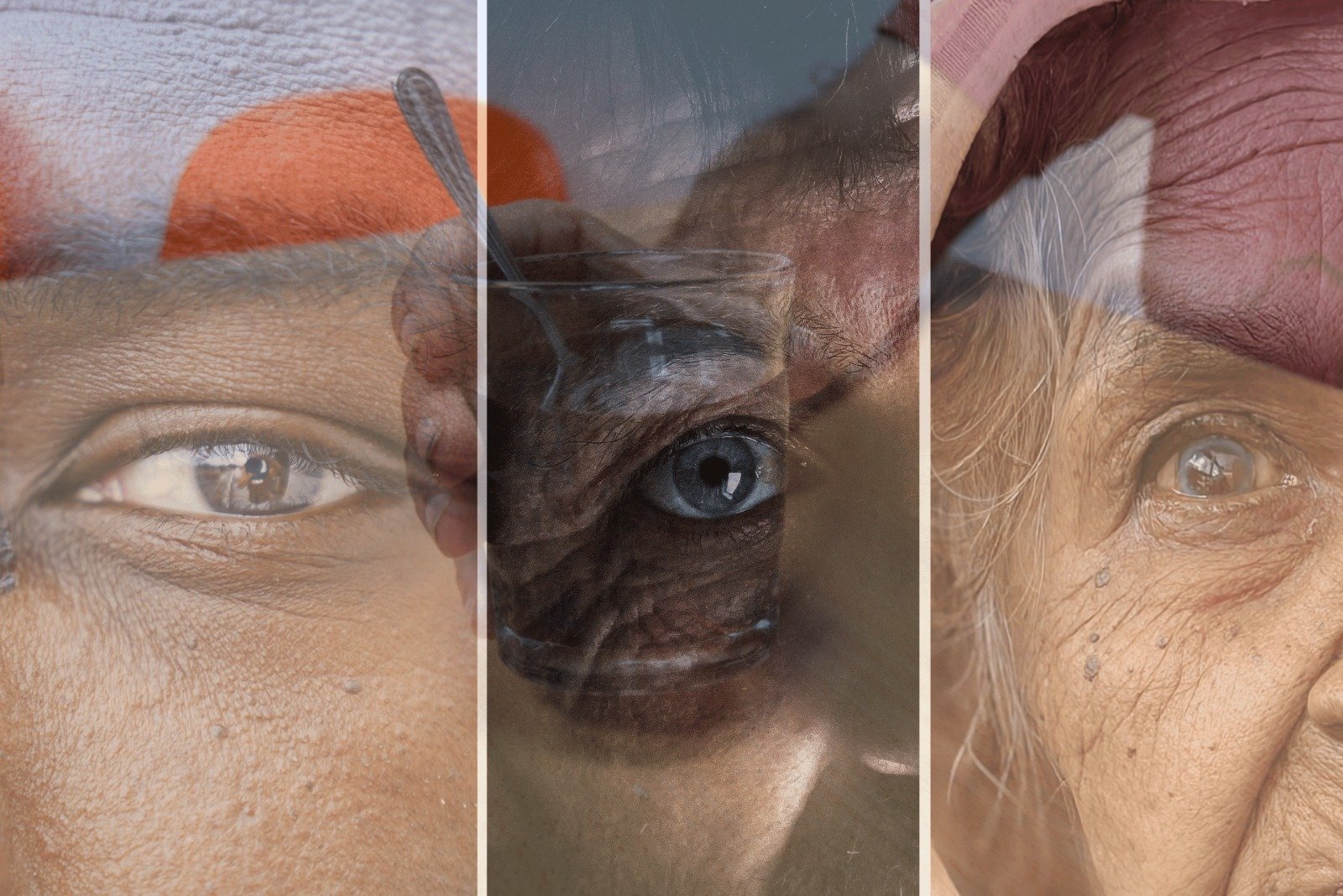
The Calor y Café night shelter is the setting where these trajectories cross. Manuel Tello, a member of the technical team that accompanies every night those facing great difficulties in accessing housing, recounts three cases that, with fictitious names, illustrate different barriers.
Jean is around 40 years old and arrived in Spain from Côte d'Ivoire after a long and dangerous journey. He passed through Almería working in the greenhouses and later moved to Málaga. Today he delivers food to homes, has a contract and has regularized his administrative situation, but he has no home. He arrives at the center at dawn, sleeps barely a few hours and spends much of the day in libraries or shopping centers until he goes back to work. Rents exceed his means and the requirements to access a home or a room —months in advance, high deposits or guarantors— are almost insurmountable for him. To this is added, at times, rejection because of his origin or the color of his skin.
Juan is 68 years old and collects a disability pension of around one thousand euros a month. He lived for a time in a rented room, but various problems related to his bipolar disorder made him lose that accommodation. Since then he has been looking for an alternative without success: the available rooms tend to have high prices or be destined for temporary tourist rental, and he also does not meet the economic requirements of many landlords.
Estefanía will turn 80 this year. Her life has been marked by a difficult childhood, addiction problems, family breakdowns and long periods of social exclusion. Years ago she agreed to enter a residential resource for older people, but the rules and community dynamics proved difficult to assume for someone who had lived much of her life on the street. Now she spends the nights at Calor y Café, where she finds a safe space and a minimum rest.
The three stories share the difficulty of accessing decent housing: in one case, an insufficient salary; in another, a pension that does not reach current prices; in the third, a trajectory of exclusion so prolonged that breaking the cycle of the street is extremely complex. The campaign insists that having a home means having a place to belong, from which to rebuild ties and project the future.