Frailty and cognitive decline increase risk after a heart attack in older adults
A study by IBIMA Plataforma BIONAND with patients from Hospital Virgen de la Victoria finds that three out of four older adults with frailty and cognitive decline suffered complications in the first month after an acute coronary syndrome.
Redacción · Published on September 21, 2026
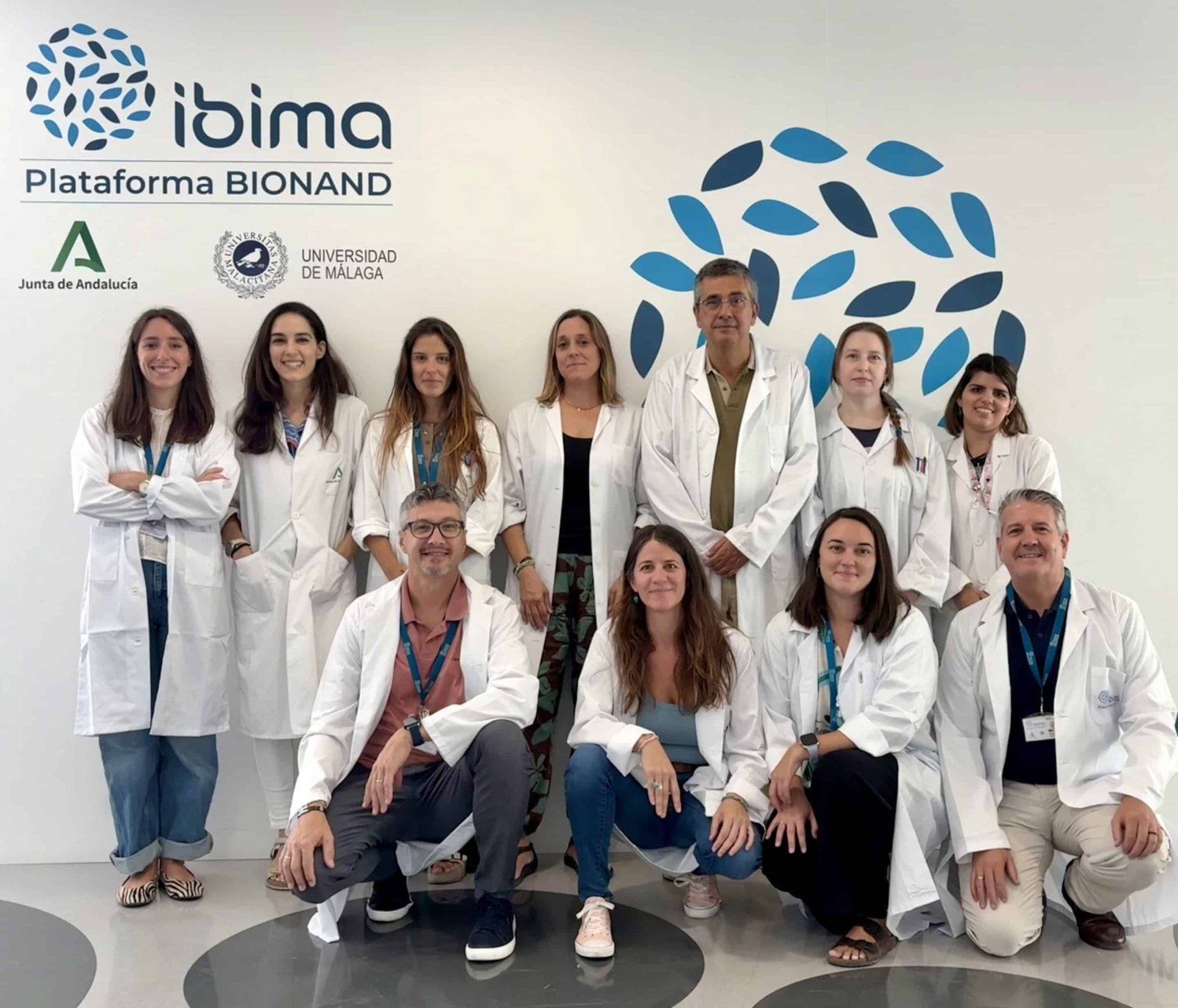
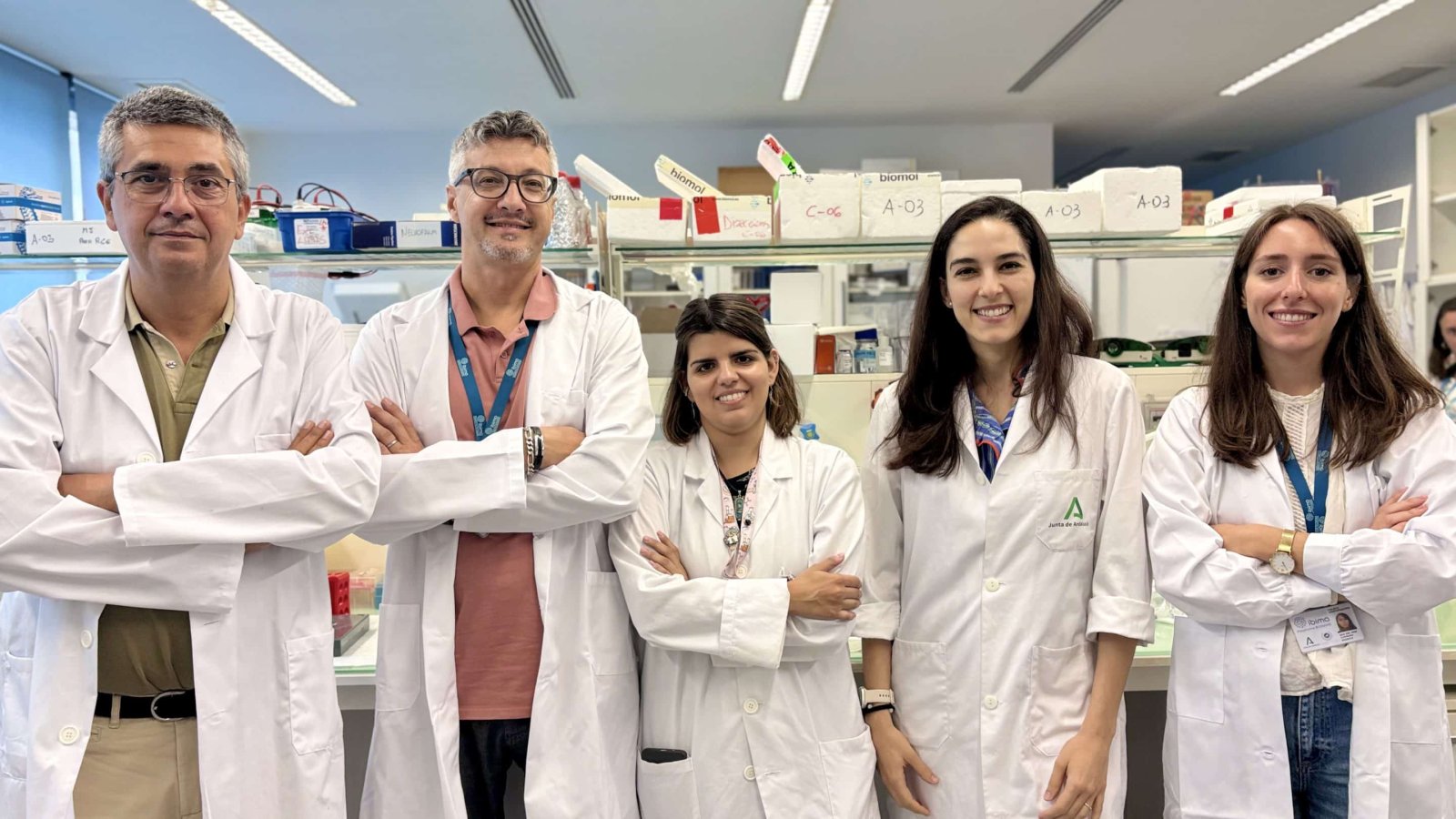
A study led from the Instituto de Investigación Biomédica de Málaga y Plataforma en Nanomedicina (IBIMA Plataforma BIONAND) concludes that physical frailty and cognitive decline, more than age alone, make it possible to identify older patients at greater risk of suffering complications after an acute coronary syndrome, that is, a heart attack or unstable angina.
The research, published in the journal European Journal of Cardiovascular Nursing, followed 211 patients aged 70 or older admitted for this reason at Hospital Universitario Virgen de la Victoria in Málaga. Professionals from Hospital Universitario Costa del Sol, Hospital Regional Universitario de Málaga, the Facultad de Medicina of Universidad de Málaga, the Centro de Investigación Biomédica en Red de Enfermedades Cardiovasculares (CIBERCV) and the Complejo Hospitalario Universitario de A Coruña also took part in the work.
One in three participants (32.7%) presented at least one clinical complication in the first thirty days, counting both the hospital stay and the weeks following discharge. These complications included moderate or severe bleeding, infections, heart failure, arrhythmias, new coronary episodes, the need for a new intervention, stroke, acute kidney damage and death.
Those with frailty or cognitive decline suffered complications more frequently than those with neither of these two conditions: 41.7% versus 25.2%. The risk rose sharply when both vulnerabilities coincided, since 72.7% of those patients had at least one adverse event during the first month.
The study also assessed the capacity for basic activities of daily living and the presence of other illnesses. After adjusting the results for age, sex, body mass index and the rest of the geriatric indicators, cognitive decline maintained an independent relationship with the occurrence of complications in the first month.
According to the researchers, "the assessment of frailty and cognitive status can provide very relevant complementary information to identify older patients who need closer follow-up, more individualized discharge planning and greater involvement of family members or caregivers."
The work also explored whether these two vulnerabilities were related to certain characteristics of the coronary arteries observed through angiography. Patients with frailty and cognitive decline more frequently showed calcification and more extensive involvement in the lesion responsible for the episode, as well as other differences such as a greater presence of single-vessel disease and thrombi in lesions other than the one that caused the acute episode. The researchers themselves note that these angiographic findings come from a small group of patients and should be considered exploratory, pending confirmation through larger studies.
One of the contributions of the work is that these vulnerabilities can be detected with brief, simple tools applicable in routine clinical practice. During the first days of hospitalization, cardiovascular nursing staff administered the FRAIL scale to assess frailty and the Pfeiffer questionnaire to detect cognitive alterations, in addition to the Barthel index to measure functional autonomy and the Charlson index to assess other illnesses. Health psychology professionals collaborated in the application and interpretation of these tests.
According to the study, incorporating these assessments from admission onward would make it possible to adapt information and health education to each patient's cognitive status, reinforce treatment follow-up, involve caregivers and organize closer monitoring in the first weeks after discharge, as well as identify those who could benefit from joint care involving cardiology, nursing, rehabilitation, nutrition, psychology and social work.
The research, published in the journal European Journal of Cardiovascular Nursing, followed 211 patients aged 70 or older admitted for this reason at Hospital Universitario Virgen de la Victoria in Málaga. Professionals from Hospital Universitario Costa del Sol, Hospital Regional Universitario de Málaga, the Facultad de Medicina of Universidad de Málaga, the Centro de Investigación Biomédica en Red de Enfermedades Cardiovasculares (CIBERCV) and the Complejo Hospitalario Universitario de A Coruña also took part in the work.
One in three participants (32.7%) presented at least one clinical complication in the first thirty days, counting both the hospital stay and the weeks following discharge. These complications included moderate or severe bleeding, infections, heart failure, arrhythmias, new coronary episodes, the need for a new intervention, stroke, acute kidney damage and death.
Those with frailty or cognitive decline suffered complications more frequently than those with neither of these two conditions: 41.7% versus 25.2%. The risk rose sharply when both vulnerabilities coincided, since 72.7% of those patients had at least one adverse event during the first month.
The study also assessed the capacity for basic activities of daily living and the presence of other illnesses. After adjusting the results for age, sex, body mass index and the rest of the geriatric indicators, cognitive decline maintained an independent relationship with the occurrence of complications in the first month.
According to the researchers, "the assessment of frailty and cognitive status can provide very relevant complementary information to identify older patients who need closer follow-up, more individualized discharge planning and greater involvement of family members or caregivers."
The work also explored whether these two vulnerabilities were related to certain characteristics of the coronary arteries observed through angiography. Patients with frailty and cognitive decline more frequently showed calcification and more extensive involvement in the lesion responsible for the episode, as well as other differences such as a greater presence of single-vessel disease and thrombi in lesions other than the one that caused the acute episode. The researchers themselves note that these angiographic findings come from a small group of patients and should be considered exploratory, pending confirmation through larger studies.
One of the contributions of the work is that these vulnerabilities can be detected with brief, simple tools applicable in routine clinical practice. During the first days of hospitalization, cardiovascular nursing staff administered the FRAIL scale to assess frailty and the Pfeiffer questionnaire to detect cognitive alterations, in addition to the Barthel index to measure functional autonomy and the Charlson index to assess other illnesses. Health psychology professionals collaborated in the application and interpretation of these tests.
According to the study, incorporating these assessments from admission onward would make it possible to adapt information and health education to each patient's cognitive status, reinforce treatment follow-up, involve caregivers and organize closer monitoring in the first weeks after discharge, as well as identify those who could benefit from joint care involving cardiology, nursing, rehabilitation, nutrition, psychology and social work.