Málaga releases six chameleons and reaches 1,156 reintroductions since 2011
The Centro de Control de la Biodiversidad of the Ayuntamiento released three pairs this morning in Hacienda Clavero and Monte Victoria. The municipal program maintains a survival rate above 90 percent.
Redacción · Published on September 17, 2026
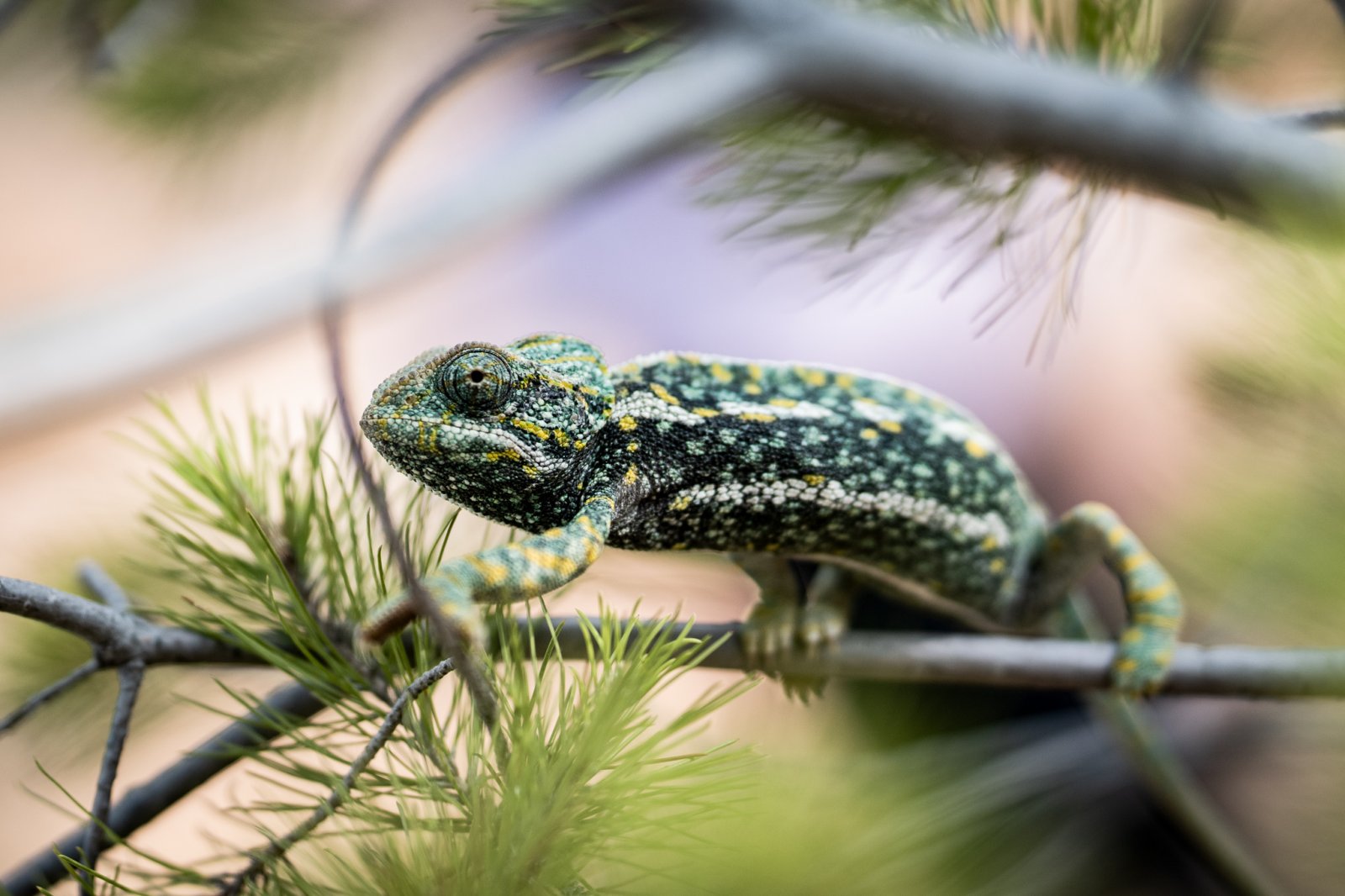
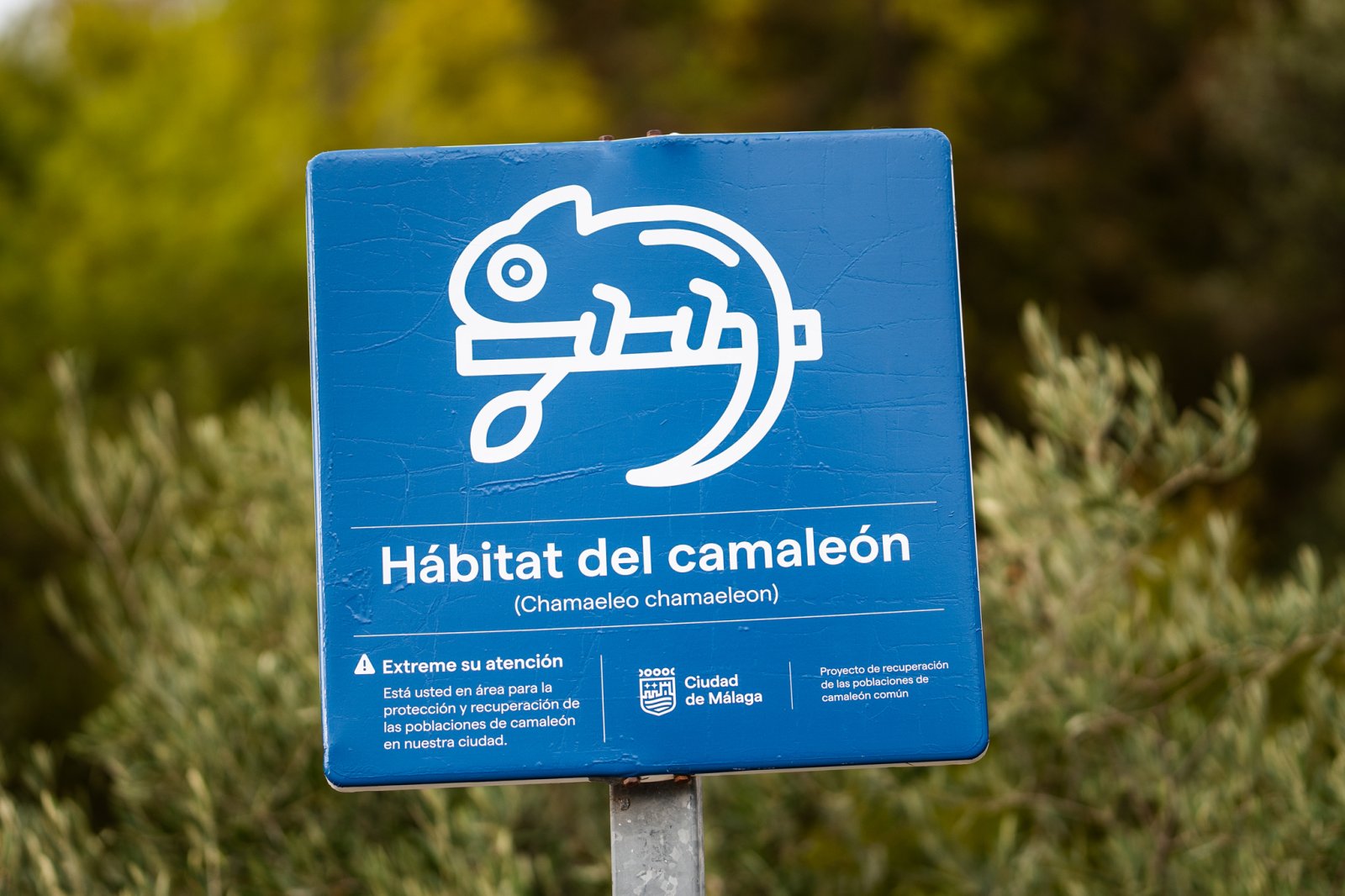
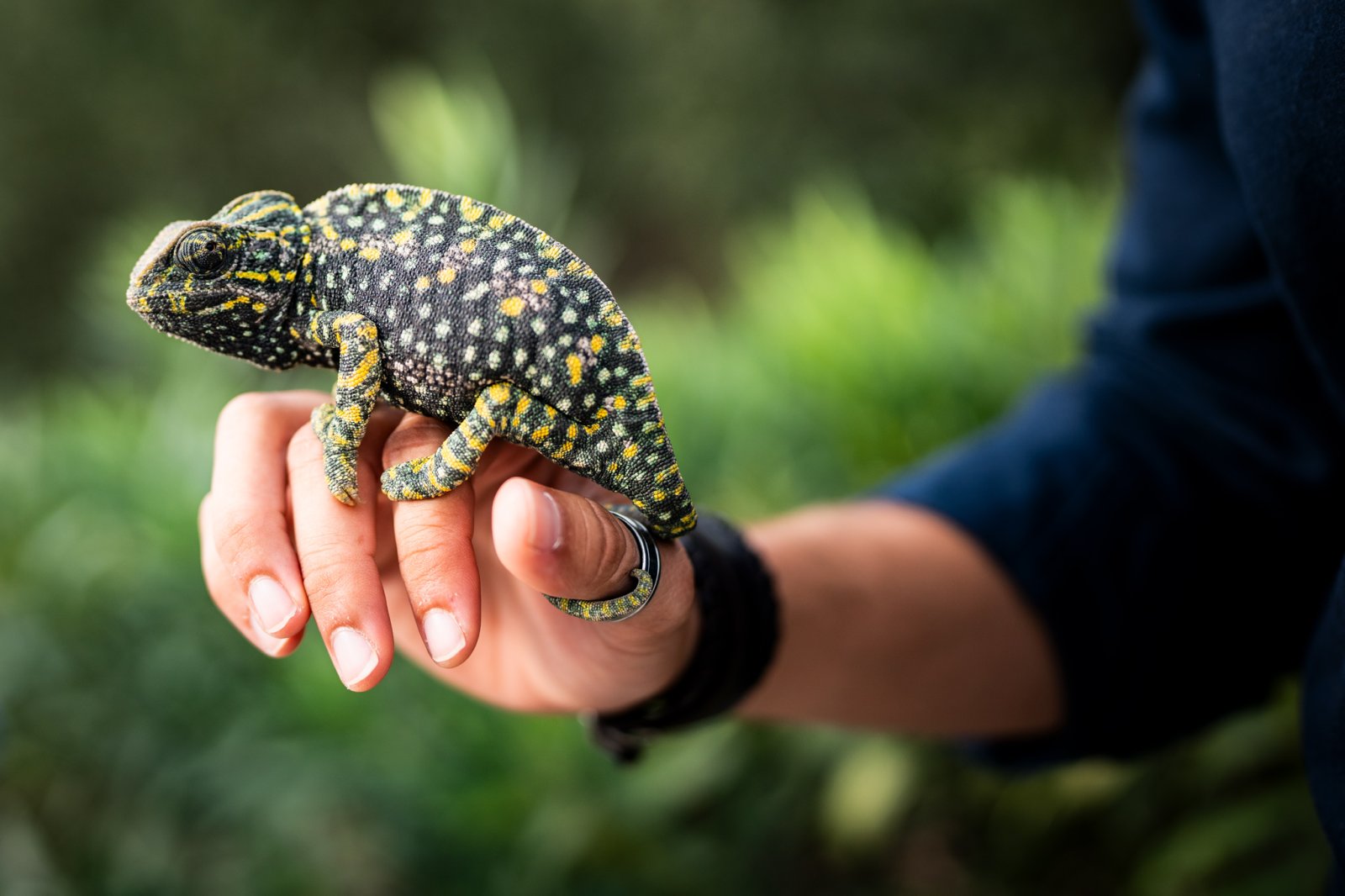
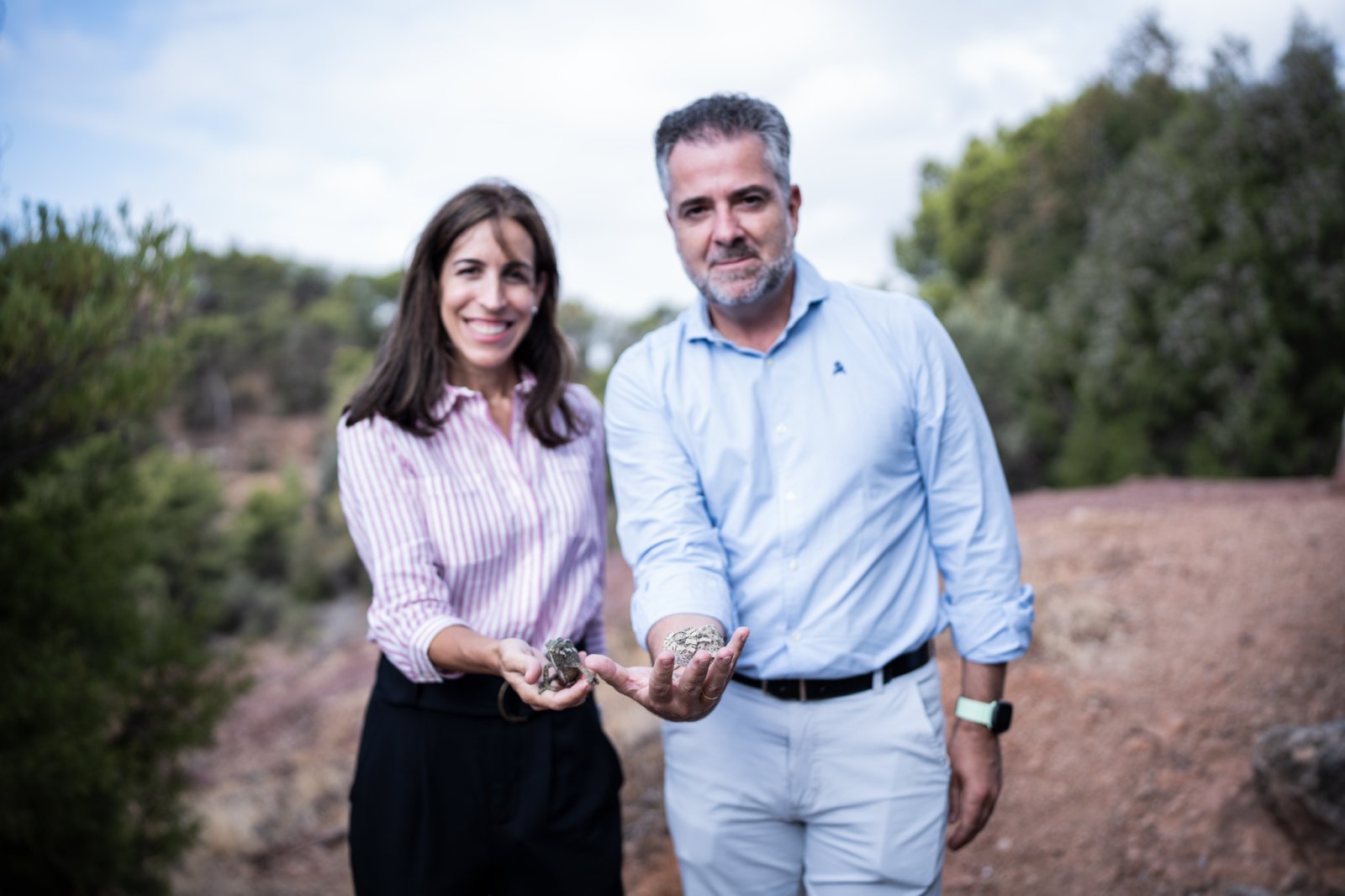
The Málaga City Council released six common chameleons (Chamaeleo chamaeleon) this morning in two forest parks of the city: a pair in Hacienda Clavero and two pairs in Monte Victoria. The release was carried out by the municipal Biodiversity Control Center, according to the statement issued by the City Council.
Two of the released specimens had been admitted to the center with injuries from being run over, while the other four were collected and recovered after being found outside their natural habitat. All of them were treated at the facilities of the Municipal Animal Protection Center (CEPAM).
With this release, the municipal chameleon recovery program, underway since 2011, reaches 1,156 specimens reintroduced. This action follows another release of six chameleons carried out in June at Monte Las Erizas.
According to the data provided, last year 65 chameleons were reintroduced, the same figure as in 2024, and in 2023 there were 69. In the period between 2023 and 2026, a total of 197 chameleons have been recovered, rescued or received at the center, to which are added 61 born and raised in captivity. Of this group of 258 specimens managed, the survival rate reaches 91.5 percent.
How the release sites are decided
The center treats specimens that are injured or in poor health conditions and supports their acclimatization in semi-freedom before returning them to a natural environment. To choose the release site, the animals' area of origin and the characteristics of the habitat that will receive them are taken into account, with the aim of strengthening existing populations and increasing their genetic diversity.
Technicians from the center previously visit each site to assess whether it is suitable and to evaluate the risks for the species. In this case, the Hacienda Clavero forest park was considered to meet the appropriate conditions.
The most frequent conditions among the latest recovered specimens were eye problems and tail injuries. In general, the center also treats cases of dehydration and thinness due to captivity, superficial burns, injuries from being run over, and poisoning from herbicides and insecticides. All the animals come from the Málaga Center for the Recovery of Endangered Species (CREA) and have a clinical record.
The municipal service works along five lines: care for specimens injured or seized by the Local Police or environmental agents of the Junta de Andalucía, acclimatization prior to release, reproduction and captive breeding, reintroduction into natural spaces, and an environmental education program aimed at schools. Since March 2011, around 44,800 students have taken part in these educational activities.
The program has also had a sponsorship agreement with the DAMM business group during 2023 and 2024, and maintains collaboration with the Department of Animal Biology of the University of Málaga for monitoring common chameleon populations within the municipal area. Currently, together with the UMA and the Madretierra association, a study is being carried out on the effect of incubation temperature on the sex of the hatchlings.
This morning's release was attended by the deputy councillors for Environmental Sustainability and for the Este district, Penélope Gómez and Carlos Conde, respectively.
Two of the released specimens had been admitted to the center with injuries from being run over, while the other four were collected and recovered after being found outside their natural habitat. All of them were treated at the facilities of the Municipal Animal Protection Center (CEPAM).
With this release, the municipal chameleon recovery program, underway since 2011, reaches 1,156 specimens reintroduced. This action follows another release of six chameleons carried out in June at Monte Las Erizas.
According to the data provided, last year 65 chameleons were reintroduced, the same figure as in 2024, and in 2023 there were 69. In the period between 2023 and 2026, a total of 197 chameleons have been recovered, rescued or received at the center, to which are added 61 born and raised in captivity. Of this group of 258 specimens managed, the survival rate reaches 91.5 percent.
How the release sites are decided
The center treats specimens that are injured or in poor health conditions and supports their acclimatization in semi-freedom before returning them to a natural environment. To choose the release site, the animals' area of origin and the characteristics of the habitat that will receive them are taken into account, with the aim of strengthening existing populations and increasing their genetic diversity.
Technicians from the center previously visit each site to assess whether it is suitable and to evaluate the risks for the species. In this case, the Hacienda Clavero forest park was considered to meet the appropriate conditions.
The most frequent conditions among the latest recovered specimens were eye problems and tail injuries. In general, the center also treats cases of dehydration and thinness due to captivity, superficial burns, injuries from being run over, and poisoning from herbicides and insecticides. All the animals come from the Málaga Center for the Recovery of Endangered Species (CREA) and have a clinical record.
The municipal service works along five lines: care for specimens injured or seized by the Local Police or environmental agents of the Junta de Andalucía, acclimatization prior to release, reproduction and captive breeding, reintroduction into natural spaces, and an environmental education program aimed at schools. Since March 2011, around 44,800 students have taken part in these educational activities.
The program has also had a sponsorship agreement with the DAMM business group during 2023 and 2024, and maintains collaboration with the Department of Animal Biology of the University of Málaga for monitoring common chameleon populations within the municipal area. Currently, together with the UMA and the Madretierra association, a study is being carried out on the effect of incubation temperature on the sex of the hatchlings.
This morning's release was attended by the deputy councillors for Environmental Sustainability and for the Este district, Penélope Gómez and Carlos Conde, respectively.