The Colegio de Médicos calls for a dedicated health plan for Málaga due to its population growth
A report commissioned by the Colegio de Médicos de Málaga concludes that the province has fewer health centers, beds and doctors than the Andalusian and national average, and calls for specific budgets and planning.
Redacción · Published on September 21, 2026
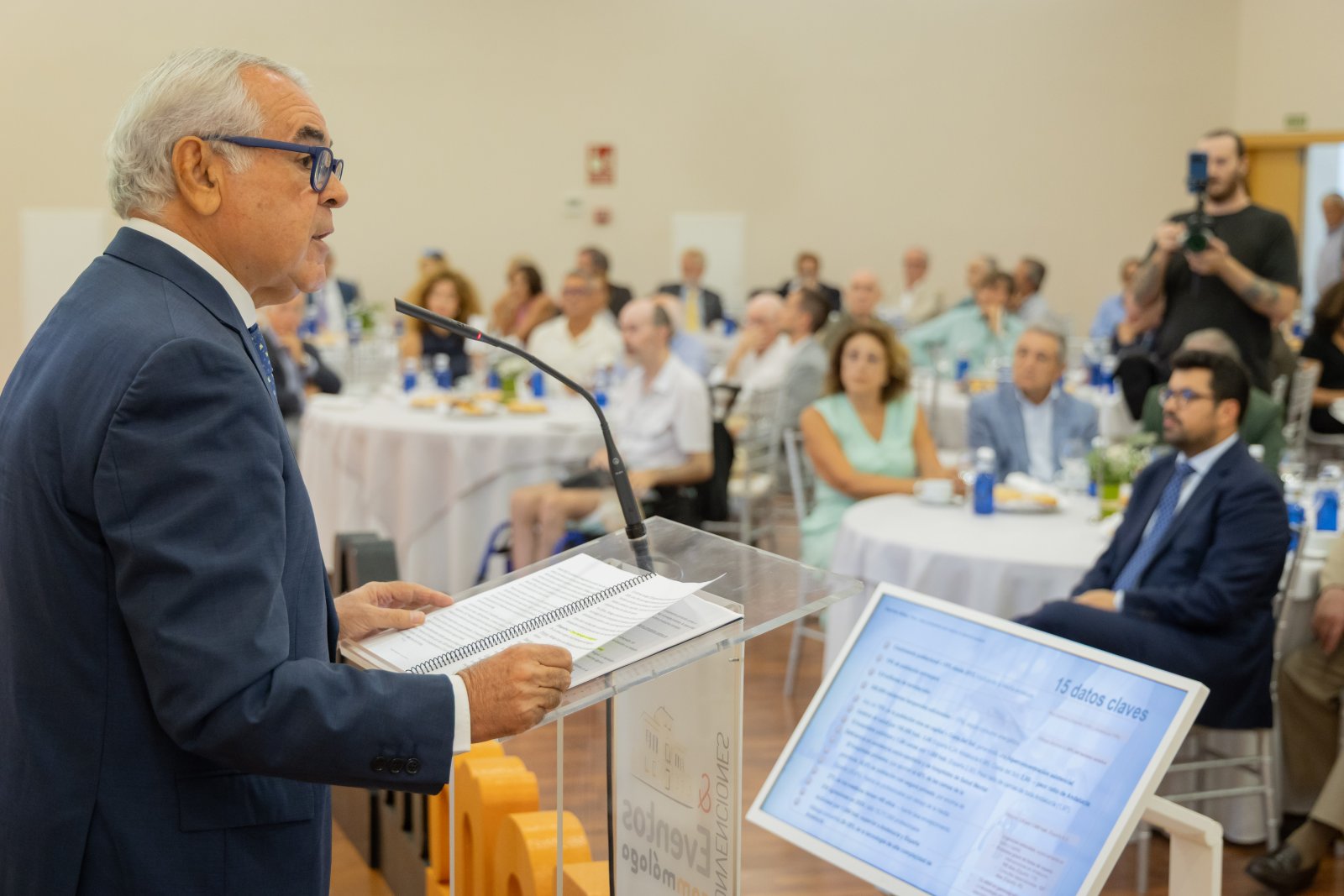
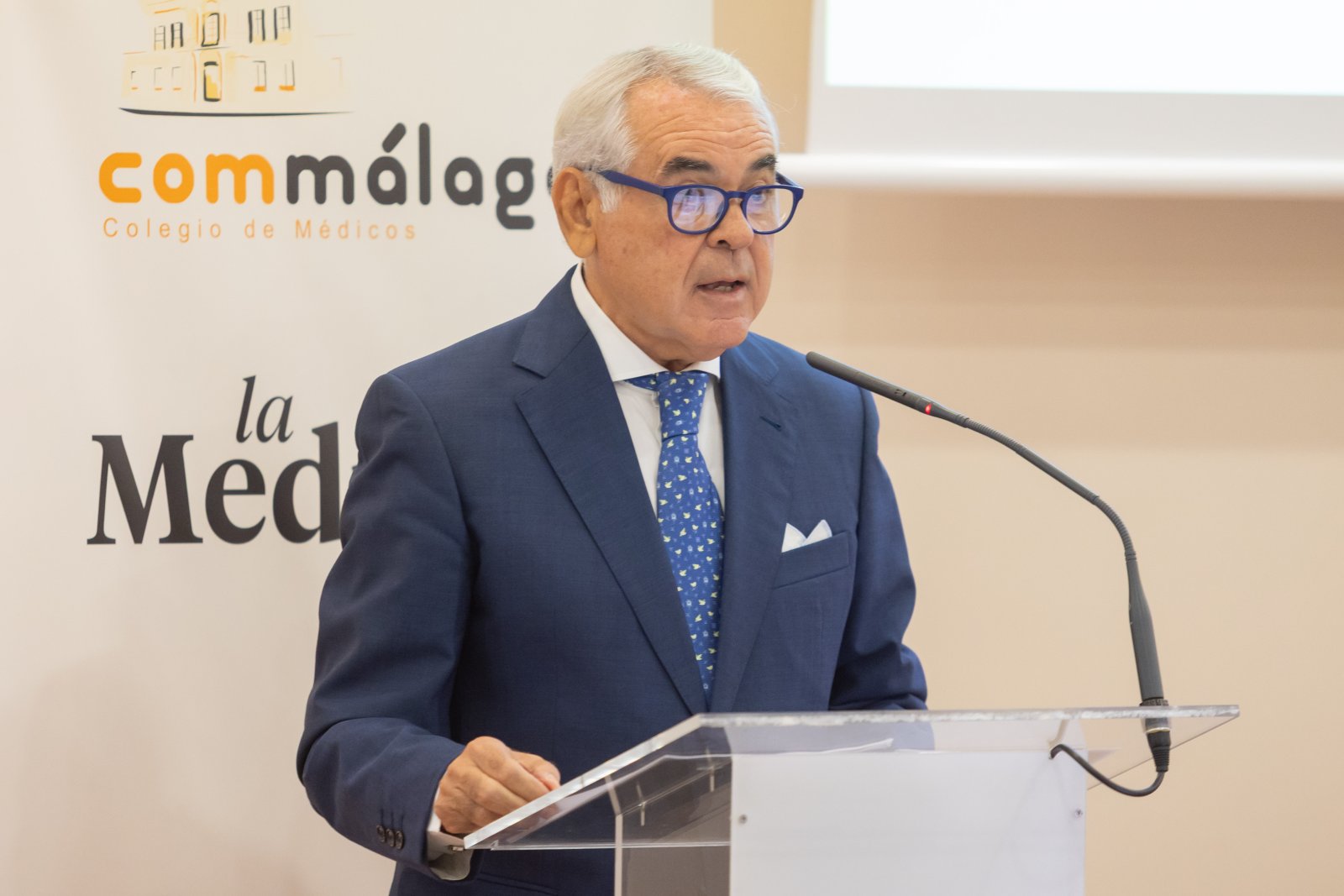
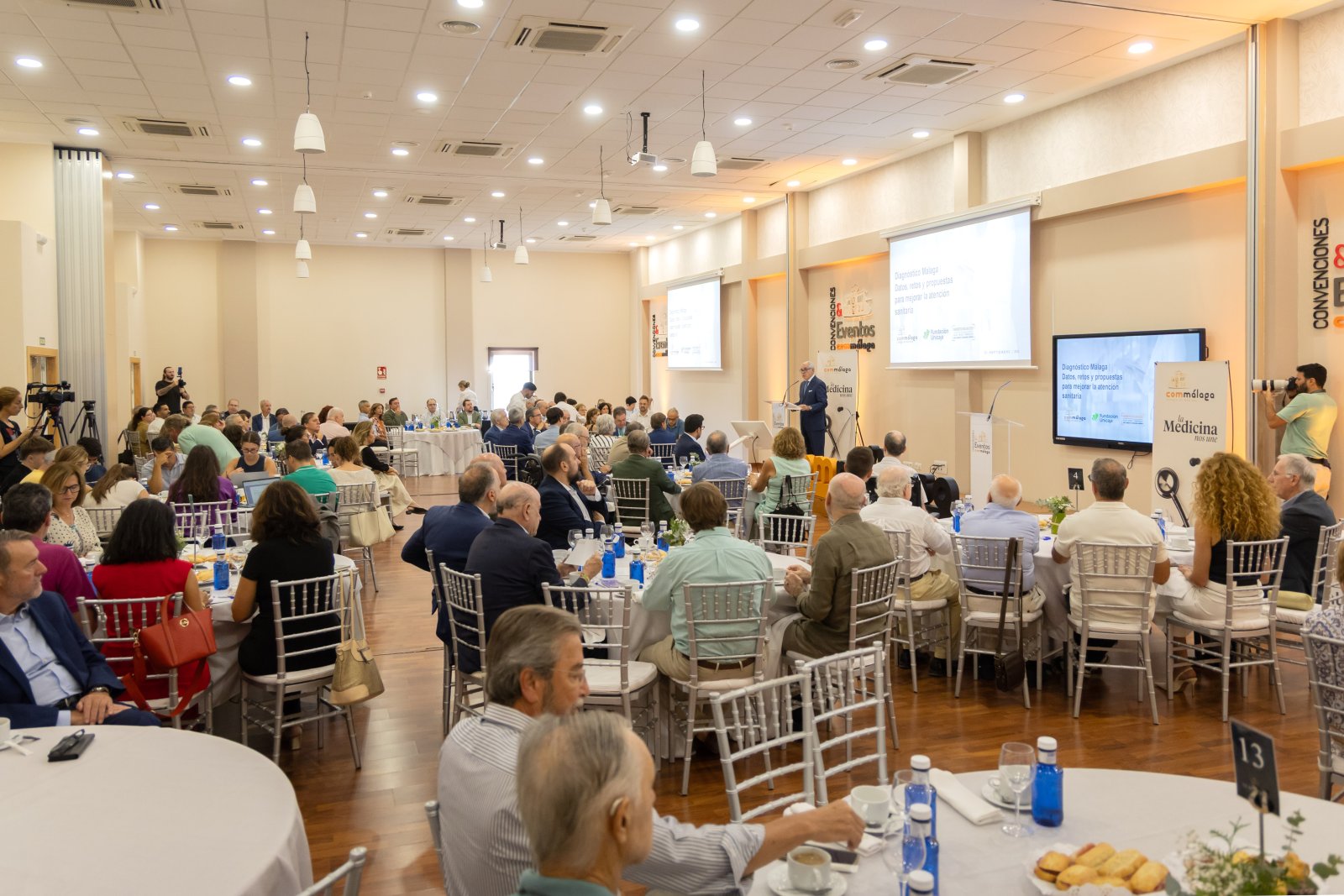
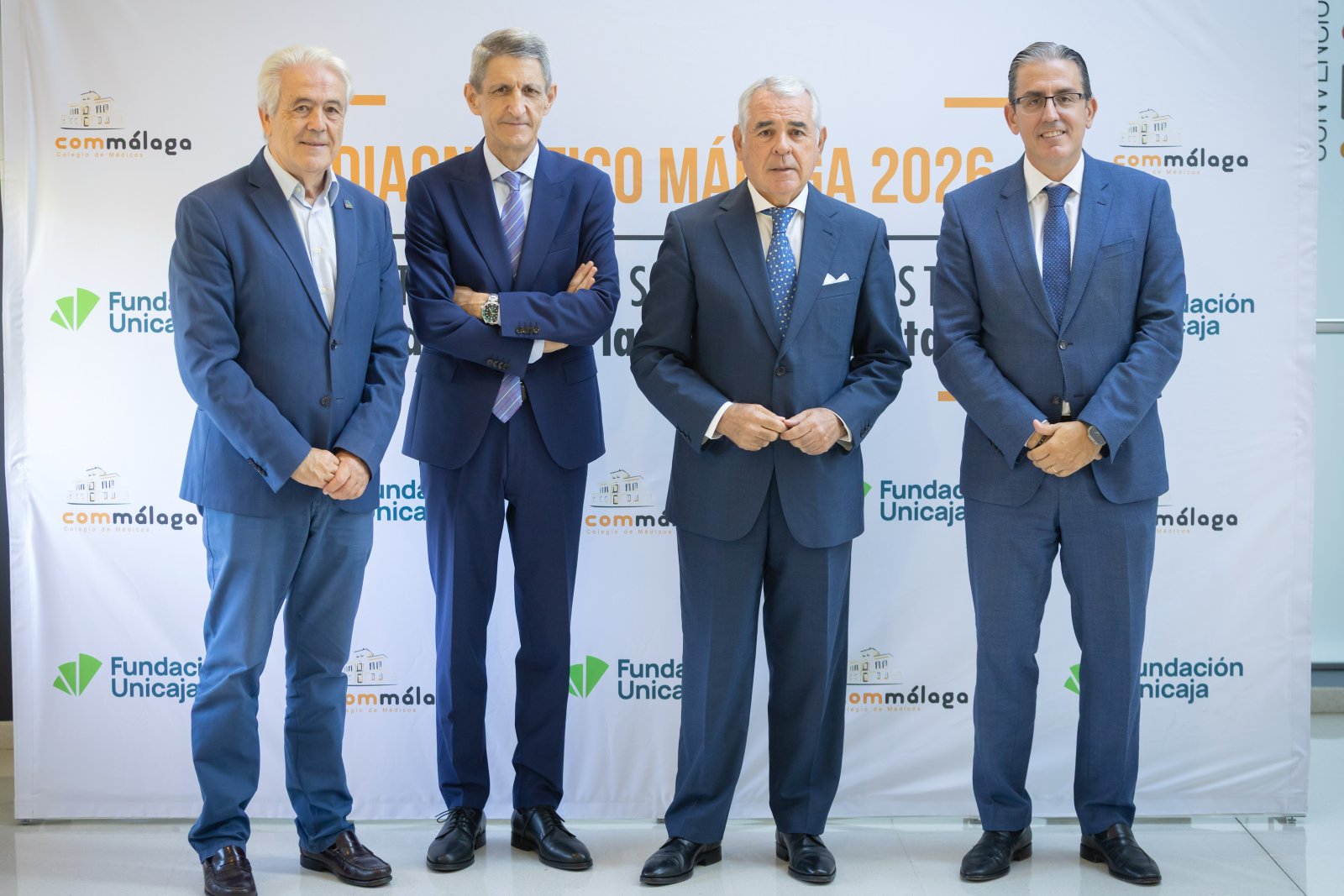
The Colegio de Médicos de Málaga presented this Monday «Diagnóstico Málaga 2026. Datos, retos y propuestas para mejorar la atención sanitaria», a report that concludes that the province needs a healthcare planning different from that of the rest of Andalucía due to its demographic growth and its high temporary population.
According to the document, the population of Málaga has grown more than 10% since 2015, three times above the Andalusian average. 19% of the inhabitants are of foreign nationality and more than 70% are concentrated in the capital and the Costa del Sol. In addition to the registered population, according to estimates from the study based on energy consumption, there are close to 9.9 million tourists per year and around 300,000 additional temporary residents, who use healthcare resources without always being reflected in the funding criteria.
Fewer centers and beds than the average
The report indicates that Málaga has 3.85 health centers for every 100,000 inhabitants, compared to 4.98 in Andalucía and 6.24 in Spain, a difference that becomes more pronounced on the Costa del Sol, with 2.80 centers, the lowest ratio in Andalucía. The province has twelve public hospitals and 1.56 public beds for every 1,000 inhabitants, below the 1.97 of Andalucía and the 2.30 of Spain. The document also detects a lack of medium- and long-stay hospitals and specific mental health centers, a deficit that, according to the president of the Colegio, Pedro J. Navarro, will be partially alleviated with the reopening of the Hospital Pascual in the capital.
The study calculates that, even with a third hospital and the growth projected through 2032, the bed ratio would reach 1.78 per 1,000 inhabitants, still below the Andalusian average. To match the regional average, the province would need 3,973 beds; to reach the national average, 4,443.
Lack of doctors and waiting lists
Regarding professionals, Málaga has 5.8 doctors for every 1,000 inhabitants compared to 6.3 in Spain, and in Atención Primaria the ratio is 0.65 (0.58 on the Costa del Sol) compared to 0.74 in Andalucía and 0.78 in Spain. More than a quarter of the province's doctors will retire in the coming years, according to the report.
The average access to a specialized consultation in Andalucía is 127 days, compared to 96 in Spain, and the wait for a surgery stands at 160 days compared to a national average of 118.6. The report proposes establishing collaboration agreements with private healthcare, which in Málaga has twenty hospitals and provides around 40% of the total beds, without this replacing the strengthening of the public system.
The research block, presented by the second vice president of the Colegio, Emilio Alba, highlights that in 2024 the institute IBIMA Plataforma BIONAND developed 272 projects with 6.9 million euros in funding and that Málaga maintained 1,087 active clinical trials, 25% of the Andalusian total.
The document sets out six lines of action: rebalancing healthcare capacity between territories, strengthening Atención Primaria, managing waiting lists, attracting and retaining professionals, orienting management toward results, and organizing collaboration with private providers. The Colegio de Médicos announced that it will forward the report to the health administrations and makes itself available for its follow-up.
According to the document, the population of Málaga has grown more than 10% since 2015, three times above the Andalusian average. 19% of the inhabitants are of foreign nationality and more than 70% are concentrated in the capital and the Costa del Sol. In addition to the registered population, according to estimates from the study based on energy consumption, there are close to 9.9 million tourists per year and around 300,000 additional temporary residents, who use healthcare resources without always being reflected in the funding criteria.
Fewer centers and beds than the average
The report indicates that Málaga has 3.85 health centers for every 100,000 inhabitants, compared to 4.98 in Andalucía and 6.24 in Spain, a difference that becomes more pronounced on the Costa del Sol, with 2.80 centers, the lowest ratio in Andalucía. The province has twelve public hospitals and 1.56 public beds for every 1,000 inhabitants, below the 1.97 of Andalucía and the 2.30 of Spain. The document also detects a lack of medium- and long-stay hospitals and specific mental health centers, a deficit that, according to the president of the Colegio, Pedro J. Navarro, will be partially alleviated with the reopening of the Hospital Pascual in the capital.
The study calculates that, even with a third hospital and the growth projected through 2032, the bed ratio would reach 1.78 per 1,000 inhabitants, still below the Andalusian average. To match the regional average, the province would need 3,973 beds; to reach the national average, 4,443.
Lack of doctors and waiting lists
Regarding professionals, Málaga has 5.8 doctors for every 1,000 inhabitants compared to 6.3 in Spain, and in Atención Primaria the ratio is 0.65 (0.58 on the Costa del Sol) compared to 0.74 in Andalucía and 0.78 in Spain. More than a quarter of the province's doctors will retire in the coming years, according to the report.
The average access to a specialized consultation in Andalucía is 127 days, compared to 96 in Spain, and the wait for a surgery stands at 160 days compared to a national average of 118.6. The report proposes establishing collaboration agreements with private healthcare, which in Málaga has twenty hospitals and provides around 40% of the total beds, without this replacing the strengthening of the public system.
The research block, presented by the second vice president of the Colegio, Emilio Alba, highlights that in 2024 the institute IBIMA Plataforma BIONAND developed 272 projects with 6.9 million euros in funding and that Málaga maintained 1,087 active clinical trials, 25% of the Andalusian total.
The document sets out six lines of action: rebalancing healthcare capacity between territories, strengthening Atención Primaria, managing waiting lists, attracting and retaining professionals, orienting management toward results, and organizing collaboration with private providers. The Colegio de Médicos announced that it will forward the report to the health administrations and makes itself available for its follow-up.