A study warns of a lack of infrastructure and doctors in Málaga's healthcare system
The report 'Diagnóstico Málaga 2026', by the Colegio de Médicos with the backing of Fundación Unicaja, points out that the province has fewer health centers, beds and doctors than the Andalusian and national average, despite strong population growth.
Redacción · Published on September 21, 2026

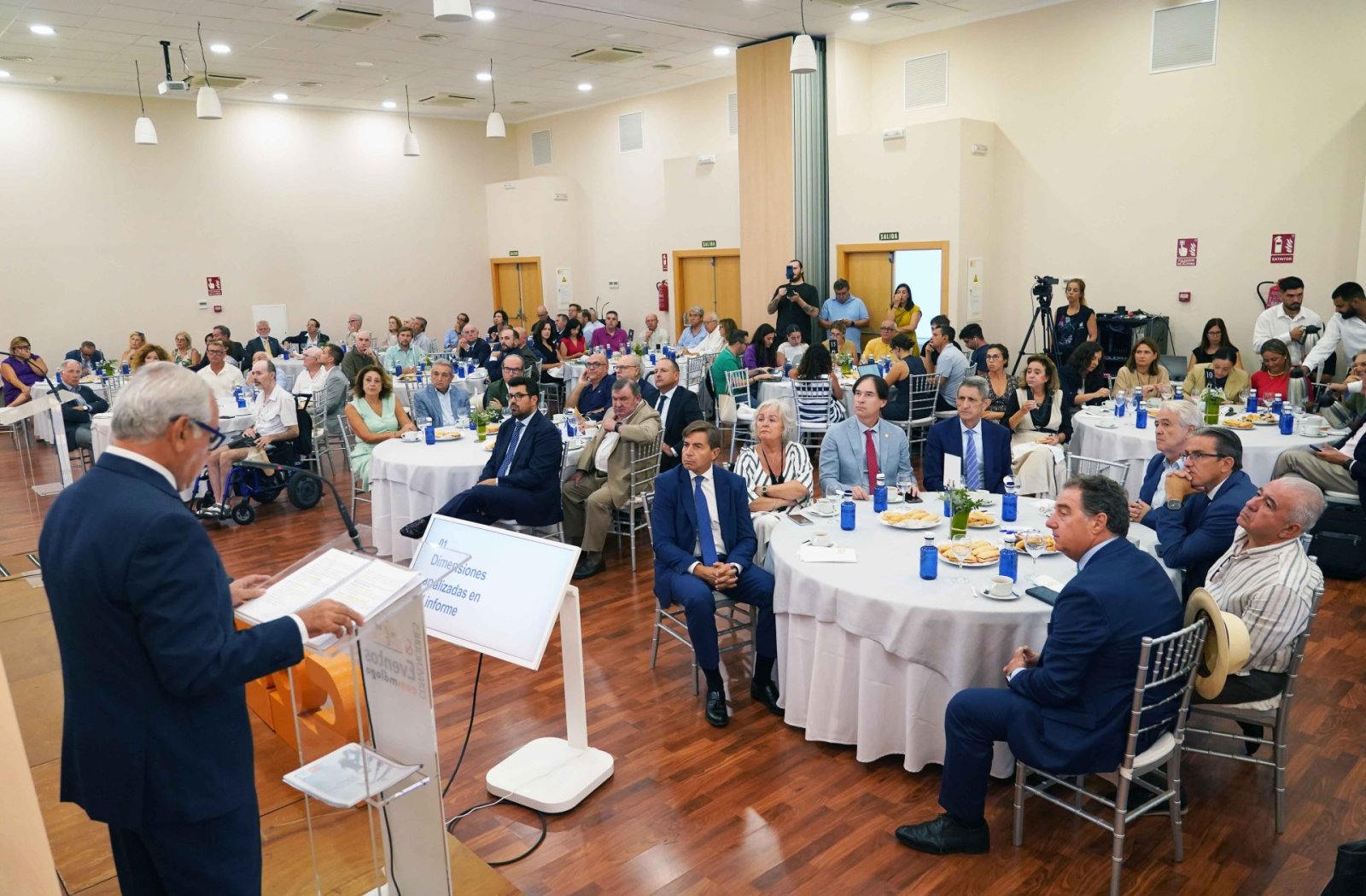
The Colegio de Médicos de Málaga has presented the study «Diagnóstico Málaga 2026. Datos, retos y propuestas para mejorar la atención sanitaria», prepared by the consultancy KPMG and backed by the Fundación Unicaja, according to the note sent by that entity. The document analyzes the health situation of the province and puts forward measures to adapt planning and resources to the needs of the territory.
The report notes that Málaga has demographic and care-related characteristics that, according to its authors, require differentiated planning. Since 2015 the population of the province has grown by more than 10%, a pace that triples the Andalusian average. Added to this is the arrival of 9.9 million tourists a year and a floating population estimated at around 300,000 temporary residents, which places additional pressure on health services.
According to the study, the province has 3.85 health centers per 100,000 inhabitants and 1.56 public hospital beds per 1,000 inhabitants, ratios lower than the Andalusian and national averages. The report also points to a shortage of doctors relative to those averages, especially in Primary Care, and warns of the challenge posed by generational turnover ahead of the upcoming retirements of part of the staff.
The document also addresses waiting lists, the financing of the health system, collaboration with the private sector, and citizens' perception of the care received. Among the measures it proposes are strengthening Primary Care, attracting and retaining healthcare professionals, improving resource management, and planning that takes into account the real population served by the system, beyond those registered on the municipal roll.
The report also highlights the role of the research center IBIMA Plataforma BIONAND, which carried out 272 competitive projects in 2024, and points to the connection between the healthcare field, biomedical research and the technology sector in Málaga as one of the province's strengths in health innovation.
The study was coordinated by the Colegio de Médicos de Málaga after nearly a year of work, which included data analysis and consultations with professionals, patients and representatives of the healthcare sector. The presentation was attended by the president and the general director of the Fundación Unicaja, José Manuel Domínguez and Sergio Corral; the president of the Colegio de Médicos de Málaga, Pedro J. Navarro, and the second vice-president of that entity, Emilio Alba.
The report notes that Málaga has demographic and care-related characteristics that, according to its authors, require differentiated planning. Since 2015 the population of the province has grown by more than 10%, a pace that triples the Andalusian average. Added to this is the arrival of 9.9 million tourists a year and a floating population estimated at around 300,000 temporary residents, which places additional pressure on health services.
According to the study, the province has 3.85 health centers per 100,000 inhabitants and 1.56 public hospital beds per 1,000 inhabitants, ratios lower than the Andalusian and national averages. The report also points to a shortage of doctors relative to those averages, especially in Primary Care, and warns of the challenge posed by generational turnover ahead of the upcoming retirements of part of the staff.
The document also addresses waiting lists, the financing of the health system, collaboration with the private sector, and citizens' perception of the care received. Among the measures it proposes are strengthening Primary Care, attracting and retaining healthcare professionals, improving resource management, and planning that takes into account the real population served by the system, beyond those registered on the municipal roll.
The report also highlights the role of the research center IBIMA Plataforma BIONAND, which carried out 272 competitive projects in 2024, and points to the connection between the healthcare field, biomedical research and the technology sector in Málaga as one of the province's strengths in health innovation.
The study was coordinated by the Colegio de Médicos de Málaga after nearly a year of work, which included data analysis and consultations with professionals, patients and representatives of the healthcare sector. The presentation was attended by the president and the general director of the Fundación Unicaja, José Manuel Domínguez and Sergio Corral; the president of the Colegio de Médicos de Málaga, Pedro J. Navarro, and the second vice-president of that entity, Emilio Alba.